Grandpa Knows Everything: A Designer’s Review
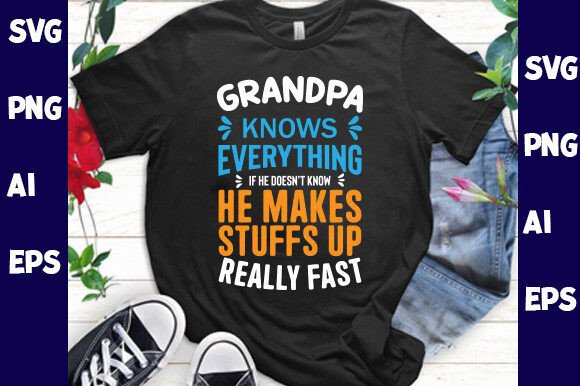
As an embroidery designer who has spent countless hours digitizing, stitching, and troubleshooting designs for clients, I approach every new file with a mix of curiosity and caution. We have all been there: you download a digital embroidery file that looks charming on the screen, only to find it turns into a bird’s nest of thread breaks and puckering once it hits the hoop. That is why I took a close look at Grandpa Knows Everything if He Doesn t. This isn’t just about whether the quote is funny—though it certainly is—but whether it holds up under the needle.
The first impression of this design is one of playful warmth. It captures that specific, endearing confidence many grandfathers possess. Visually, the layout feels balanced, suggesting a design that prioritizes readability without sacrificing decorative flair. For those of us creating handmade products, mood is everything. This piece evokes nostalgia and humor, making it an ideal candidate for personalized gifts. However, charm alone does not make a viable commercial product. We need to talk about stitch path, density, and fabric compatibility.
Real-World Application: The Sweatshirt Test
To truly evaluate Grandpa Knows Everything if He Doesn t, I imagined placing it on a mid-weight cotton blend sweatshirt. This is a staple item for any Etsy seller or craft business owner. The design’s structure suggests it would work beautifully as a chest emblem or a larger back print. When visualizing the stitching, I looked for potential issues with long spans of text. In embroidery, long lines of lettering can sometimes sag or distort if not properly supported.
If this design utilizes a combination of satin stitch for borders and fill stitch for heavier elements, it will provide a rich, textured look that customers love. The contrast between the thread and the fabric is critical here. On a heather grey or navy sweatshirt, using high-contrast thread colors like cream, gold, or bright white would make the text pop. This visual clarity is essential for buyer engagement. A muddy or hard-to-read design lowers the perceived value of the finished product, regardless of how cute the sentiment is.
For small shop owners, this design fits perfectly into the category of custom apparel. It is not just a graphic; it is a conversation starter. Imagine a customer ordering this for Father’s Day or a birthday. The emotional connection drives the sale, but the quality of the embroidery secures the repeat business. If the letters are crisp and the alignment is perfect, you have built trust. If the threads pull or the design shifts, you lose that customer forever.
Navigating Fabric and Hoop Constraints
While the design shows promise on stable fabrics like twill, denim, or heavy cotton, we must consider where it might struggle. Embroidery is unforgiving on stretchy or thin materials. If you plan to use Grandpa Knows Everything if He Doesn t on a lightweight t-shirt, you must be diligent with your stabilizer choice. A cut-away stabilizer is likely necessary to prevent the fabric from distorting under the weight of the stitches. Without it, even the best-digitized design can look amateurish after the first wash.
Hoop size is another practical consideration. Before loading the file into your machine, check the dimensions. If this is a larger phrase, it may require a 5x7 or even a 6x10 hoop. Trying to force a large design into a 4x4 hoop by resizing it can lead to distorted proportions and illegible text. Always verify the hoop size requirements in the product description. Since this is listed among T-Shirt Designs and Graphics, ensure the scale matches your intended garment area. A design that looks great on a tote bag might overwhelm a baby onesie.
Speaking of baby items, this design could be adapted for baby embroidery projects, such as bibs or burp cloths, provided the text remains readable at a smaller scale. However, tiny lettering is risky. If the design includes intricate serifs or small decorative elements, they may not stitch out cleanly on smaller hoops. I recommend running a test stitch on scrap fabric of the same type you intend to use. This simple step saves time, thread, and frustration.
Commercial Viability and Brand Consistency
For commercial embroidery professionals and boutique branding specialists, consistency is key. Does Grandpa Knows Everything if He Doesn t fit your brand aesthetic? If your shop focuses on rustic, humorous, or family-oriented themes, this design is a strong asset. It complements other family-centric motifs and pairs well with floral or geometric accents if you choose to create a composite design.
When selling design assets or finished goods, presentation matters. Use printable mockup tools to visualize the design on various products before committing to production. Show it on a tote bag design, a cap, and a pillow cover. This helps you identify which products yield the highest visual impact. For example, on a curved surface like a baseball cap, the design must be centered perfectly to avoid looking skewed. An embroidered patch might be a safer bet for complex shapes, allowing you to stabilize the design on a flat surface before applying it to the garment.
Thread color selection also plays a huge role in perceived quality. Stick to a limited palette. Too many color changes can increase production time and the risk of errors. A two or three-color scheme often looks more professional and modern. Test your thread colors against both light and dark fabrics. A design that looks stunning on white might disappear on black if the contrast isn't sufficient.
Practical Notes for the Embroiderer
Before you start stitching, keep these technical checks in mind:
- Check the File Format: Ensure you have the correct file type for your machine. While the description mentions SVG for cutting software, embroidery machines typically require PES, DST, or JEF files. Confirm you have the right embroidery file version.
- Inspect Stitch Density: High-density areas can cause puckering. If the design feels stiff after stitching, consider reducing the density in your editing software if possible, or using a lighter weight thread.
- License Verification: Always confirm the licensing terms. Can you sell finished items made with this design? Most digital products allow commercial use for physical goods, but restrictions may apply to reselling the digital file itself.
- Test on Scraps: Never run a new design directly on your final garment. Use a scrap piece of the same fabric and stabilizer combination to check for tension issues.
- Clean Up: After stitching, trim jump threads carefully. A clean finish elevates a good design to a great one.
In conclusion, Grandpa Knows Everything if He Doesn t offers a charming narrative that resonates with a wide audience. Its success in your craft business will depend on your technical execution. By paying attention to fabric choice, stabilization, and thread contrast, you can transform this digital graphic into a high-quality personalized gift or bestselling small shop product. It is a reminder that in embroidery, the magic lies not just in the design, but in the care taken to bring it to life.