Eat Sleep Math Repeat: A Designer’s Review
As an embroidery designer who has spent countless hours digitizing, testing, and stitching out files for both personal joy and commercial clients, I approach every new machine embroidery design with a mix of curiosity and skepticism. We have all been there: you download a file that looks crisp on the screen, only to find it turns into a puckered mess or an unreadable blob once the needle hits the fabric. Today, I am taking a close look at the Eat Sleep Math Repeat Vintage T-Shirt graphic to evaluate its potential not just as a digital asset, but as a viable component in real-world embroidery projects.
First Impressions: Nostalgia Meets Functionality
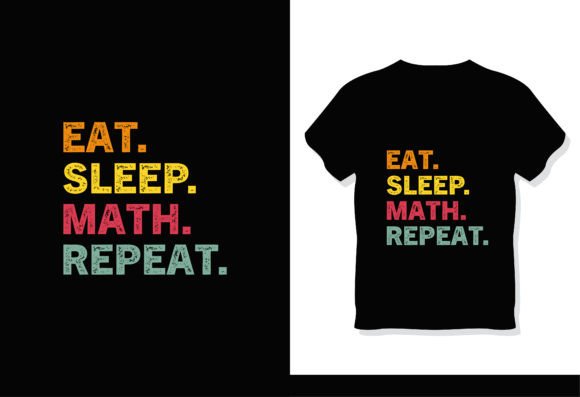
The first thing that strikes me about the Eat Sleep Math Repeat Vintage T-Shirt is its mood. It taps into that popular retro aesthetic that is currently dominating the T-Shirt Designs market. The layout suggests a worn-in, comfortable vibe, which is perfect for teachers, math enthusiasts, or anyone who appreciates a bit of academic humor. From a visual standpoint, the typography appears bold enough to hold its own, which is crucial when we translate Graphics into thread.
However, "vintage" in digital design often means distressed edges or faded colors. For an embroiderer, this presents a unique challenge. Distressed effects can look fantastic if handled with varied thread colors and strategic running stitch details, but they can also become a nightmare if the digitizer relies too heavily on tiny, isolated stitches that may pull out during washing. My initial assessment is that this design leans more towards a clean, bold statement piece rather than a highly detailed photographic reproduction, which is generally good news for stitchability.
Real-World Application: The Teacher’s Tote Scenario
To truly test the viability of this design, I imagined a specific client scenario. A local teacher approached me for a set of personalized gifts for her department. She wanted something fun but professional, suitable for daily use. I immediately thought of the Eat Sleep Math Repeat Vintage T-Shirt concept applied to a heavy canvas tote bag design.
In this context, the design performs well. The bold lettering associated with the "Eat Sleep Math Repeat" phrase translates effectively to a larger hoop size, such as a 5x7 or 6x10 inch frame. On a sturdy canvas tote, the fabric provides enough stability to support the weight of the threads without excessive backing issues. The humorous yet relatable message creates an instant connection, making the handmade product feel thoughtful and customized. It is not just a logo; it is a conversation starter in the staff lounge.
Beyond tote bags, this design is equally suited for sweatshirt embroidery. The cozy nature of a fleece or cotton blend sweatshirt complements the vintage theme. Here, the design acts as a centerpiece on the chest or back. Because sweatshirts are thicker, I would recommend using a cut-away stabilizer to prevent the design from sinking into the nap of the fabric, ensuring that the letters remain crisp and legible.
Technical Considerations for Stitching Success
While the concept is strong, executing the Eat Sleep Math Repeat Vintage T-Shirt design requires attention to technical detail. Since the source description mentions it is an SVG cut file originally intended for various DIY projects, converting or adapting this for embroidery requires careful planning. If you are using a pre-digitized embroidery file based on this graphic, you must check the stitch density.
Vintage styles often incorporate texture. If the design uses a fill stitch to create a solid background or shaded effect, ensure the density is not too high for lightweight fabrics. High density on a thin t-shirt will cause puckering. Conversely, if the design relies on satin stitch columns for the lettering, verify that the column widths are consistent. Satin stitches wider than 7mm typically require a tack-down stitch or a different fill approach to prevent snagging.
One critical area to watch is the small details. In the word "Math," the crossbar of the 'A' or the curves of the 'M' can become problematic if scaled down. I always advise testing the design on scrap fabric first. Check how the corners turn out. Are they sharp, or do they bunch up? This is especially important if you plan to use this as an embroidered patch, where the edges need to be clean for merrowing or satin stitching around the perimeter.
Fabric and Hoop Constraints
Not every surface is created equal. While this design shines on flat, stable surfaces like tote bags and pillow covers, it requires caution on curved or stretchy items. For custom apparel like fitted caps, the curvature of the brim can distort the text. If you are attempting cap embroidery, consider scaling the design slightly narrower to compensate for the visual distortion caused by the curve. Additionally, avoid placing dense areas near seams where the hoop cannot grip the fabric evenly.
Dark fabrics present another consideration. The vintage aesthetic often implies muted or off-white tones. If you are stitching on a black or navy garment, you will need high-contrast thread colors to maintain readability. Test your thread colors against the fabric before committing to the final piece. A light cream or heather gray thread might capture the vintage feel better than stark white, which can look too modern and harsh.
Commercial Viability and Brand Consistency
For Etsy sellers and craft business owners, the Eat Sleep Math Repeat Vintage T-Shirt design offers strong commercial potential. It fits neatly into niche markets: education, STEM advocacy, and retro fashion. These niches have dedicated buyers who value personalized gift options. However, professionalism is key. A sloppy stitch-out can damage your brand reputation. Ensure that your finished products look polished. Trim jump threads meticulously and press the garment properly after stitching to remove hoop marks.
When creating printable mockup images for your online shop, show the design on various items. Display it on a mug, a t-shirt, and a tote bag to demonstrate versatility. This helps customers visualize the finished product in their own lives. Remember, while the original file may be an SVG for cutting machines, if you are offering embroidery services, you must ensure you have the correct digital embroidery file formats (such as PES, DST, or EXP) compatible with your machine.
Final Verdict and Designer Notes
The Eat Sleep Math Repeat Vintage T-Shirt concept is a winner for its thematic appeal and versatility. It bridges the gap between funny novelty and stylish retro wear. However, its success depends entirely on execution. Before launching this as a small shop product, take the time to refine the digitizing or select a high-quality pre-made file. Check the license terms carefully. Just because a file is available for DIY projects does not automatically grant commercial rights for selling physical goods or digital assets. Always confirm licensing before selling.
In summary, this design is a solid addition to your library of design assets. It works best on medium-to-heavy weight fabrics where the stitches can sit prominently without distorting the material. Whether you are creating holiday embroidery gifts for teacher appreciation week or stocking your boutique with commercial embroidery staples, this design holds up well under scrutiny. Just remember: test, stabilize, and stitch with precision. The difference between a good product and a great one lies in the details.