Reviewing the Christmas Card Mockup for Embroidery
As a designer who spends half my life staring at digitized files and the other half pulling bobbins out of tangled messes, I have learned to be skeptical of anything labeled as a "mockup" when it comes to physical production. We often see these assets marketed under Invitations or general Graphics, intended for digital storefronts. However, the Christmas Card Mockup presents an interesting case study for us embroidery professionals. It is not just a pretty picture; it is a tool that dictates how we present our machine embroidery design work to potential clients. But does it hold up when we translate its visual promise into actual thread and fabric?
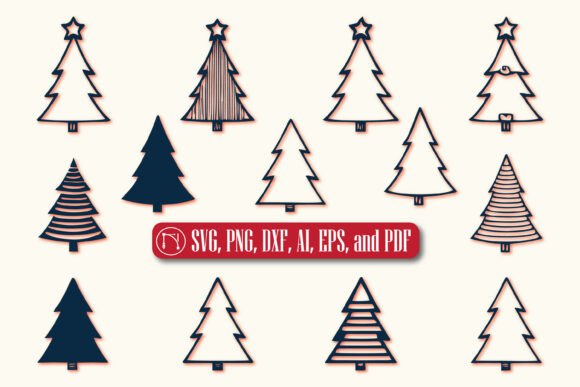
My first impression of the Christmas Card Mockup was one of clean, structured nostalgia. The layout suggests a traditional holiday aesthetic, likely featuring classic motifs such as holly, pine branches, or elegant typography. For an embroidery project, this visual personality is crucial. It does not scream for attention with neon brightness; instead, it invites a closer look. This subtlety is vital for high-end custom apparel or boutique handmade product lines where understated elegance sells better than loud graphics. The mood it creates is warm and inviting, perfectly suited for holiday embroidery projects that aim to evoke comfort and tradition.
Translating Digital Assets to Stitched Reality
The core challenge for any embroidery designer is bridging the gap between a crisp digital image and the textured reality of stitched fabric. When evaluating the Christmas Card Mockup, I immediately thought about its application on a heavy cotton tote bag or a fleece sweatshirt. These are staple items for any Etsy seller or craft business owner during the fourth quarter. The mockup’s composition allows us to visualize how a sweatshirt embroidery piece would sit on the chest or back. Because the mockup is designed to showcase illustrations and drawings, it inherently highlights the importance of line clarity.
In a real-life scenario, imagine you are preparing a batch of personalized gifts for a local boutique. You want to offer a personalized gift option where customers can add their names to a holiday-themed design. Using the Christmas Card Mockup to preview this allows you to check the balance between the graphic element and the text. If the mockup shows the design looking cluttered, you know you need to simplify your embroidery file before stitching. It acts as a safety net, preventing costly mistakes on expensive fabrics like wool blends or premium cottons.
Performance Across Different Fabrics and Hoops
One of the most practical aspects of this asset is its versatility in visualizing different substrates. While the product description mentions it can show T-shirts and SVG cut files, I found it particularly useful for envisioning applique design work. Applique requires precise placement, and the mockup helps simulate how layered fabrics will interact. For instance, if you are creating a embroidered patch for a cap, the mockup can help you determine if the design elements are too dense for the curved surface.
However, we must discuss where caution is needed. The Christmas Card Mockup might display fine details that look stunning on a screen but could vanish in translation. If your design relies heavily on tiny lettering or intricate running stitch outlines, you must consider the stitch density. On textured fabrics like terry cloth towels or fuzzy fleece, those fine details may get lost. The mockup serves as a reminder to test your thread colors against the fabric texture. A dark green thread on a navy blue sweatshirt might look distinct in a high-contrast digital mockup but blend into invisibility in real life.
Furthermore, consider the hoop size. If the mockup suggests a large, sprawling design, ensure your machine can handle the dimensions without excessive re-hooping, which can lead to alignment issues. For baby embroidery items, such as onesies or burp cloths, smaller hoop sizes are standard. The mockup helps you scale the design down mentally to see if it retains its charm at a reduced size. If the central motif becomes unrecognizable when shrunk, it is not suitable for small finished product applications.
Enhancing Brand Consistency and Customer Trust
For small shop product owners, presentation is everything. The Christmas Card Mockup is not just about the design; it is about the story you tell your customer. When you use this mockup in your online listings, you are signaling professionalism. It shows that you have considered how the item looks in a lifestyle context, not just flat on a table. This builds customer trust and increases perceived value.
From a branding perspective, consistency is key. If your brand focuses on rustic, handmade aesthetics, ensure the mockup’s background and lighting align with that vibe. A sleek, modern mockup might clash with a vintage-style tote bag design. By selecting the right presentation style within the mockup framework, you reinforce your brand identity. This is particularly important for commercial embroidery clients who are looking for a partner who understands market positioning.
Practical Notes for the Embroidery Designer
Before you commit to producing a large run based on this visual aid, here are my practical recommendations:
- Test on Scrap Fabric: Never skip the stitch-out. Use the mockup for visualization, but always verify the stabilizer choice and tension on actual material.
- Check Contrast: View your design in black and white. If the details disappear in grayscale, they will likely lack definition in thread.
- Verify Licensing: Since this is a digital embroidery file or graphic asset, confirm whether the license allows for commercial use of the mockup images themselves, not just the design.
- Inspect Small Details: Zoom in. Are there areas where satin stitch columns are too wide? These may snag easily on children’s clothing or frequent-use items like kitchen towel sets.
- Consider Washability: If the mockup implies a delicate look, ensure your stitch structure can withstand washing. Dense fill stitch areas can cause puckering if not properly stabilized.
In conclusion, the Christmas Card Mockup is a valuable tool in the arsenal of the modern embroidery entrepreneur. It bridges the gap between creative concept and commercial reality. By using it wisely, checking your technical specs, and respecting the limitations of thread and fabric, you can create stunning design assets that convert browsers into buyers. It is not just a picture; it is a blueprint for success in the competitive world of printable mockup driven sales and tangible handmade goods.