Cute Lucky Cat Illustration for Graphics
As a brand designer who has spent the last decade helping local businesses find their visual voice, I approach every new graphic design asset with a critical eye. It is not just about whether an image looks "nice." It is about whether it carries weight in a real-world application. Recently, I evaluated the Cute Lucky Cat Cartoon Illustration for a potential project involving a small, artisanal bakery that wanted to introduce a line of Asian-inspired pastries. My goal was to determine if this specific vector icon could hold its own in professional brand identity work, from packaging design to digital marketing.
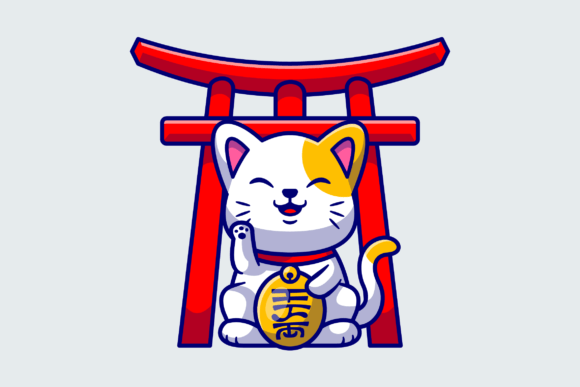
The first impression of the Cute Lucky Cat Cartoon Illustration is undeniably warm. It exudes a friendly, approachable mood that immediately lowers the barrier between the brand and the consumer. For a local business, especially one rooted in community engagement, this softness is a strategic advantage. The flat cartoon style suggests modernity without being cold or corporate. It feels handmade yet polished, striking a balance that is often difficult to achieve in small business branding. This asset does not scream for attention with aggressive colors or complex details; instead, it invites the viewer in with a sense of playful elegance.
Strategic Applications in Local Business Branding
When considering where to place this illustration, the versatility becomes apparent. In my review for the bakery project, I mapped out several key touchpoints where the Cute Lucky Cat Cartoon Vector Icon Illustration could drive value. The most impactful use case was on the product label. For small items like mochi boxes or cookie jars, a clean, isolated icon works better than a complex logo lockup. The cat serves as a recognizable mascot, creating a stronger emotional connection with customers who appreciate whimsical, positive symbolism.
Beyond packaging, this asset shines in social media graphics. In an era where scroll-stopping visuals are currency, having a cohesive set of Illustrations allows for consistent storytelling. I envisioned using the cat on thank-you cards included in online orders, adding a personal touch that encourages repeat purchases. It also works exceptionally well on hang tags for boutique retail items or as a decorative element on menu graphics for cafes. The key is consistency. By using the same character across flyers, posters, and website banners, the brand builds a unified narrative that feels intentional and professional.
Enhancing Product Presentation and Shelf Appeal
One of the primary goals of any commercial design project is to improve shelf appeal. The Cute Lucky Cat Cartoon Illustration supports this by providing a clear focal point. In packaging design, visual hierarchy is everything. If a label is cluttered with text, ingredients, and legal disclaimers, the eye has nowhere to rest. This icon acts as an anchor. It draws the eye first, establishing a friendly tone before the customer reads the product description. This leads to better product recognition and a more polished look that competes effectively with larger brands.
For handmade business owners, trust is paramount. Customers need to feel that the product is safe, high-quality, and crafted with care. A professional-looking mascot or icon signals that the brand owner has invested in their presentation. When I placed the cat on a mockup for a skincare brand’s lotion bottle, it transformed a generic container into a branded experience. It suggested that the product inside was gentle and nurturing, aligning the visual cue with the product benefit. This alignment strengthens customer trust and justifies a premium price point.
Navigating Design Constraints and Best Practices
However, no design asset is a universal solution. There are contexts where the Cute Lucky Cat Cartoon Illustration should be used with caution. For instance, it is not suitable for formal corporate branding or luxury minimalist brands that rely on stark typography and negative space. The playful nature of the cat would clash with a serious, high-end aesthetic. Additionally, designers must be careful when placing this graphic on crowded layouts. If the product label is already dense with ingredient lists and regulatory information, adding a decorative element can create visual noise rather than clarity.
Another critical consideration is contrast and scale. When testing the asset for small stickers or tiny social media avatars, I found that fine details can get lost. It is essential to preview the illustration at various sizes. For very small applications, simplifying the background or ensuring the lines are bold enough is necessary. Furthermore, avoid placing the cat on low-contrast backgrounds where its edges might blur. The isolation of the vector is a strength, but it requires a thoughtful choice of backdrop color to maintain its impact.
Practical Notes for Designers and Entrepreneurs
Before integrating this or any design assets into a client project, there are several technical steps I always recommend. First, test the illustration on real product mockup files. Seeing the design on a physical object reveals issues that flat screens hide. Check how it looks in black and white, as some printing methods or cost-saving measures may require monochrome usage. If the vector loses its charm without color, it may need adjustment.
Typography pairing is another crucial test. I experimented with serif, sans serif, script, and handwritten fonts alongside the Cute Lucky Cat Cartoon Illustration. The flat, modern style of the cat pairs beautifully with clean sans serif fonts for a contemporary look, or with rounded handwritten fonts for a softer, more organic feel. Avoid overly ornate display fonts that might compete with the simplicity of the icon. The goal is harmony, not competition.
Finally, always verify the licensing. Ensure you have the appropriate commercial license before using the asset for commercial design purposes, such as selling physical products or using it in paid advertising. Many creative marketplaces offer different tiers of usage rights. Confirming this upfront prevents legal issues down the line. Whether you are using it in a Canva template, editing the SVG design in Illustrator, or placing the PNG design directly into a web layout, understanding the rights ensures your professional branding efforts are secure.
In conclusion, the Cute Lucky Cat Cartoon Illustration is a potent tool for local business owners and designers looking to inject personality into their marketing visuals. It bridges the gap between playful charm and professional polish. When used strategically in packaging design, logo design elements, and social media graphics, it enhances brand recall and customer engagement. By respecting its limitations and testing it thoroughly across different mediums, you can leverage this asset to create a memorable and effective brand presence.